Japandi living room ideas
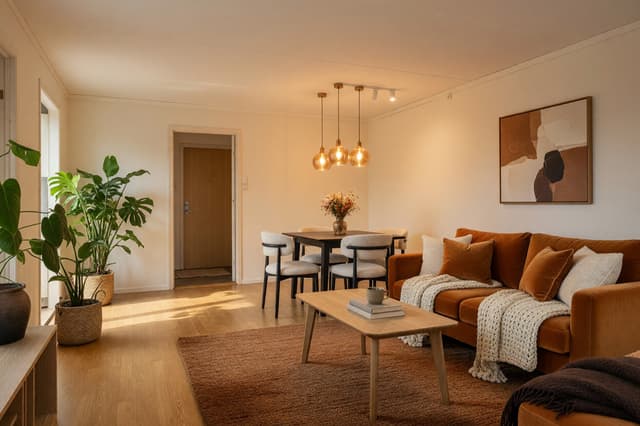
A Japandi living room mixes Japanese restraint with Scandinavian comfort: low furniture, natural wood, linen and paper textures, and two or three muted colors. It feels calm because each piece has space around it, and warm because the materials are natural. Below are five living rooms redesigned in Japandi style with HomeCompose, plus the palette, layout tips and common mistakes.
What makes a living room Japandi?
- Low, simple furniture. A low sofa, a low coffee table and one long sideboard keep the eye line calm.
- Natural materials. Oak or ash, linen, cotton, paper, clay and stone. One or two wood tones, not five.
- A muted palette. Warm white, greige, sand and soft gray, with charcoal or black in small doses.
- Few objects, closed storage. A ceramic vase, a few books and one branch in water. Everything else goes behind doors.
- Soft light. Paper or linen shades, floor lamps and warm bulbs instead of one bright ceiling light.
5 Japandi living room makeovers
Each example starts from a real photo. HomeCompose is told to keep the walls, windows and camera angle, and to change the rest as far as the chosen mode allows.
1. Swap a dark sofa for a pale linen one
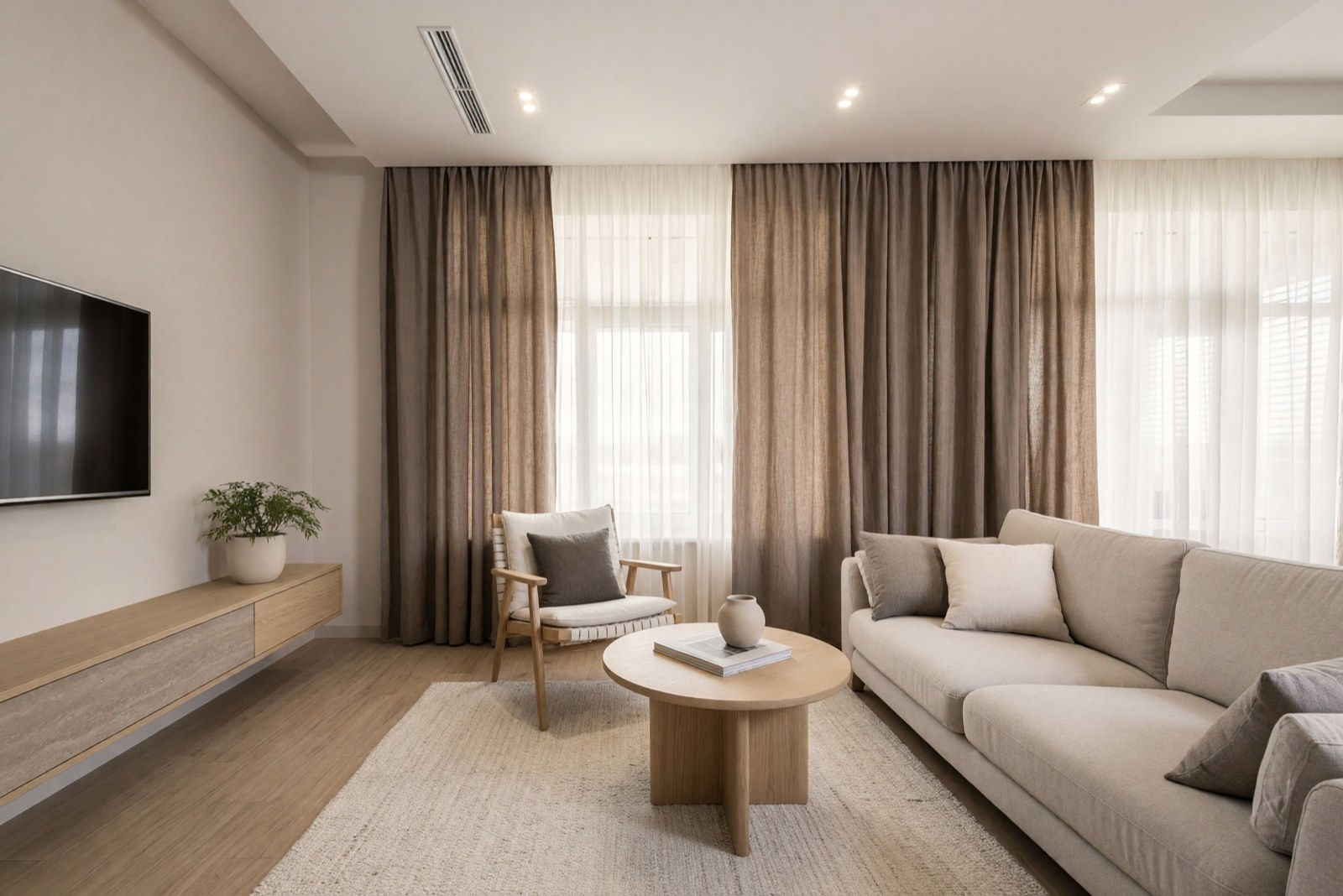
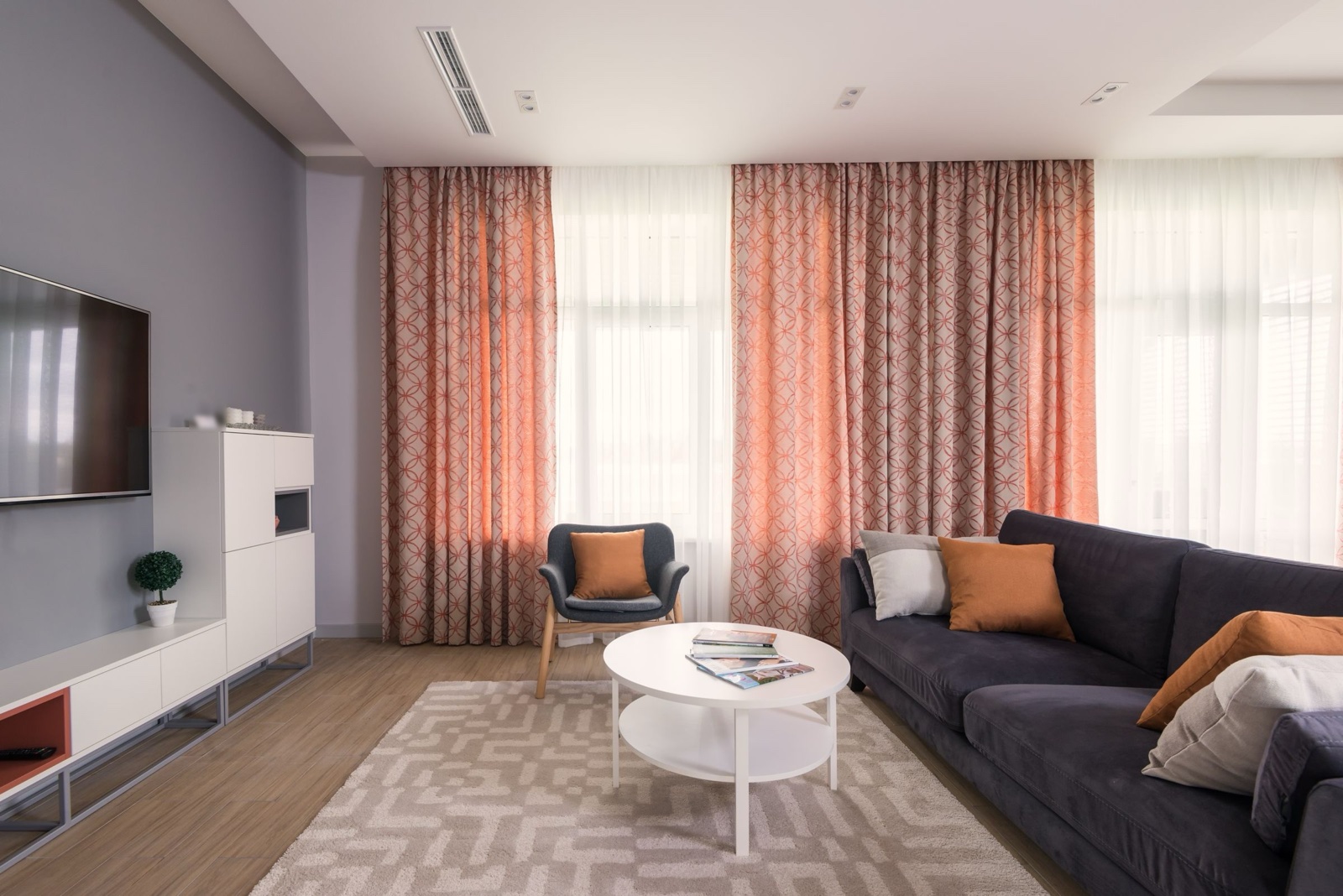
Color and height are the quickest changes. A dark sofa and a tall cabinet beside the TV fill a room. A pale linen sofa, an oak coffee table and one long, low sideboard keep the room light and the eye line low.
2. Brighten a dark room with pale oak and warm white
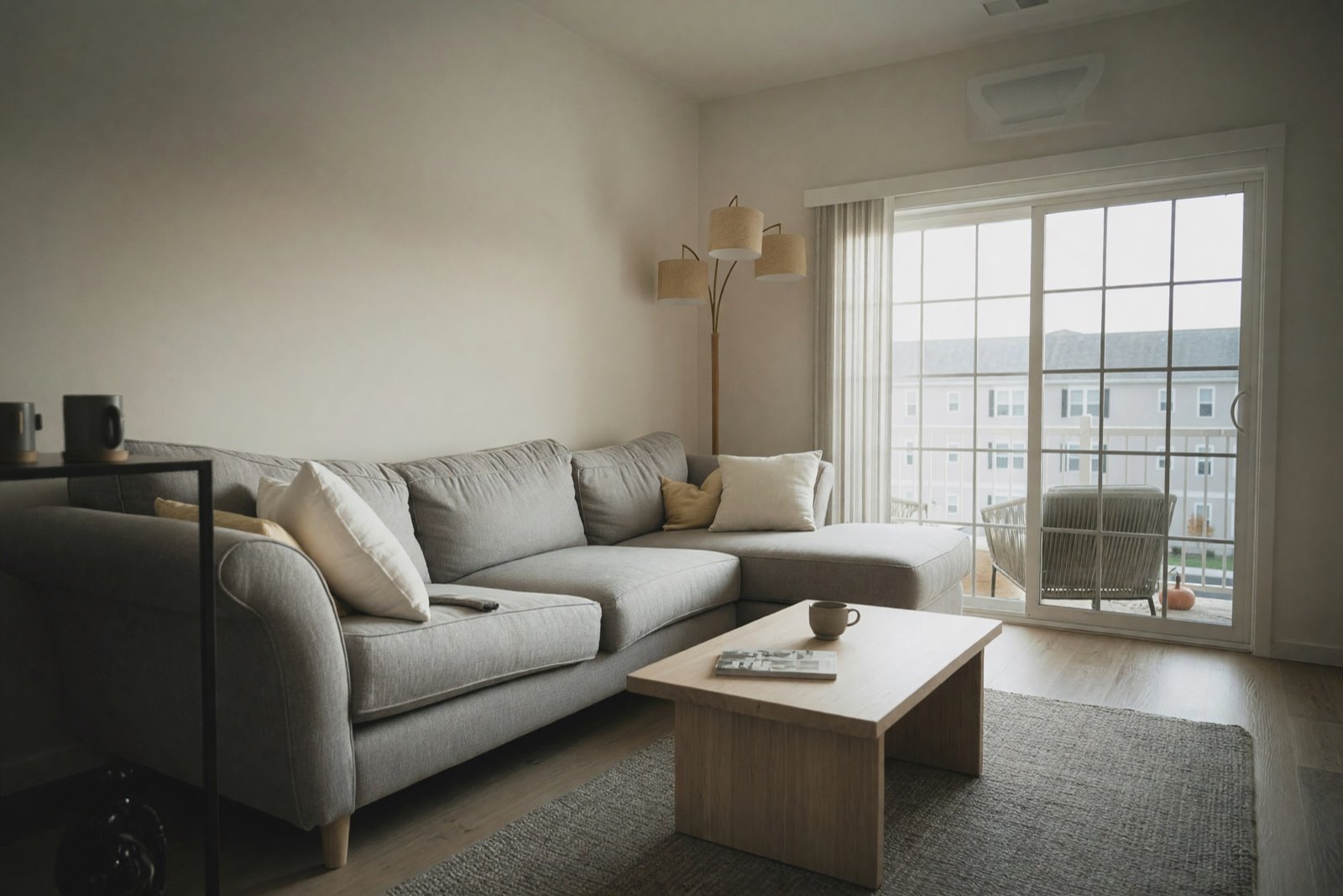
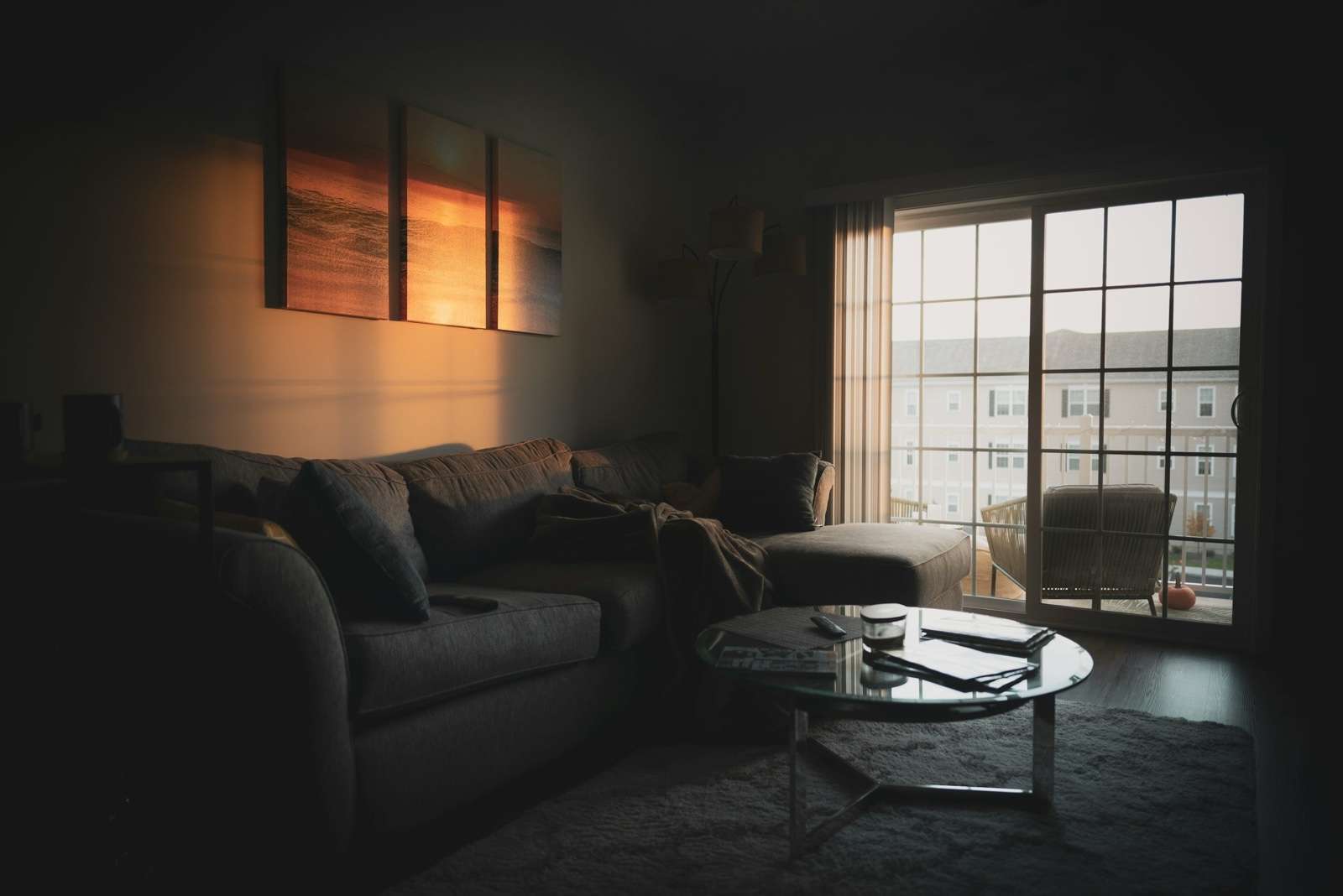
Japandi suits rooms with little daylight if you avoid cold white. Warm white walls, a pale oak floor and light gray linen reflect light without looking clinical. To test only the floor, try light oak in Floor Restyle.
3. One long storage line in a small living room
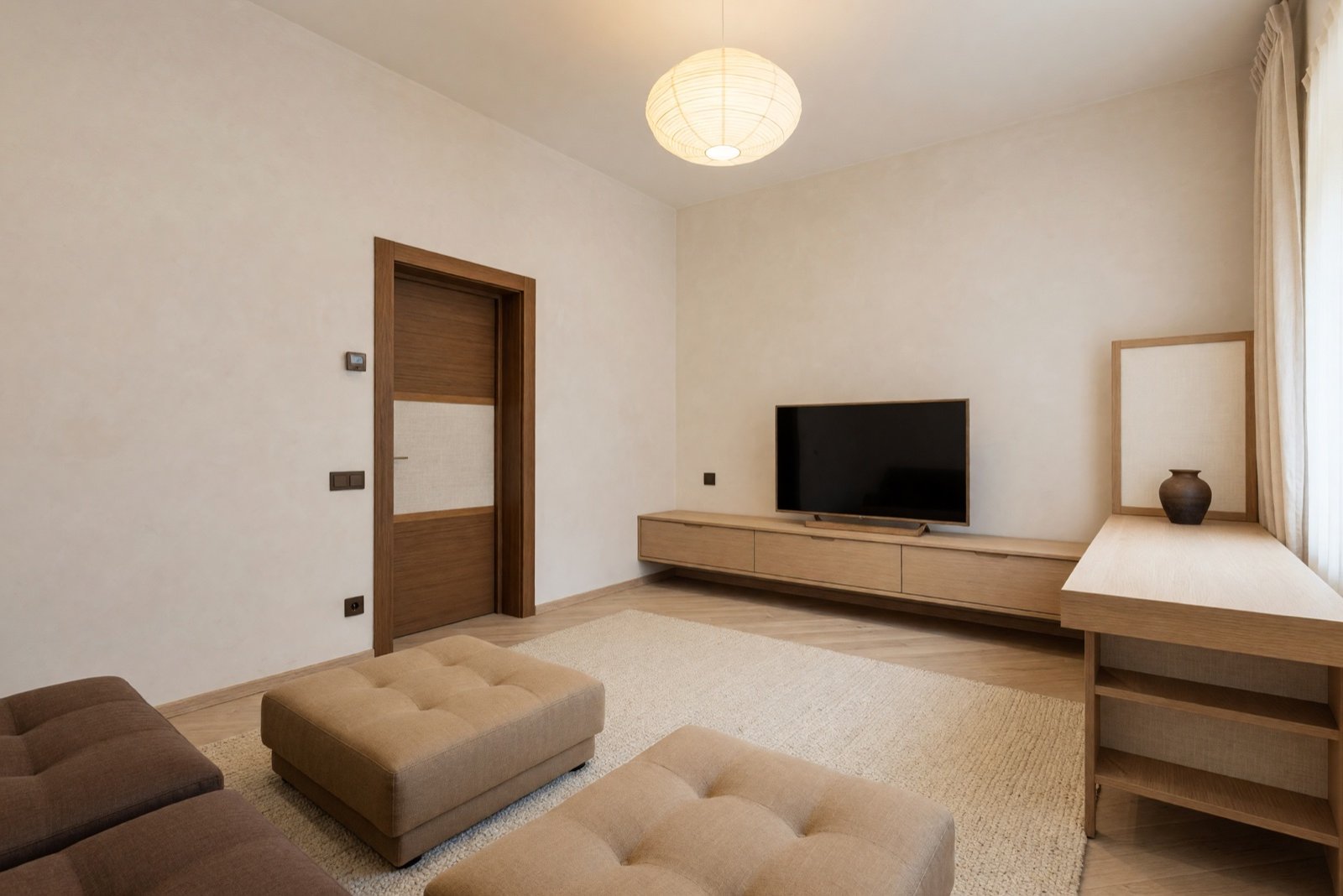
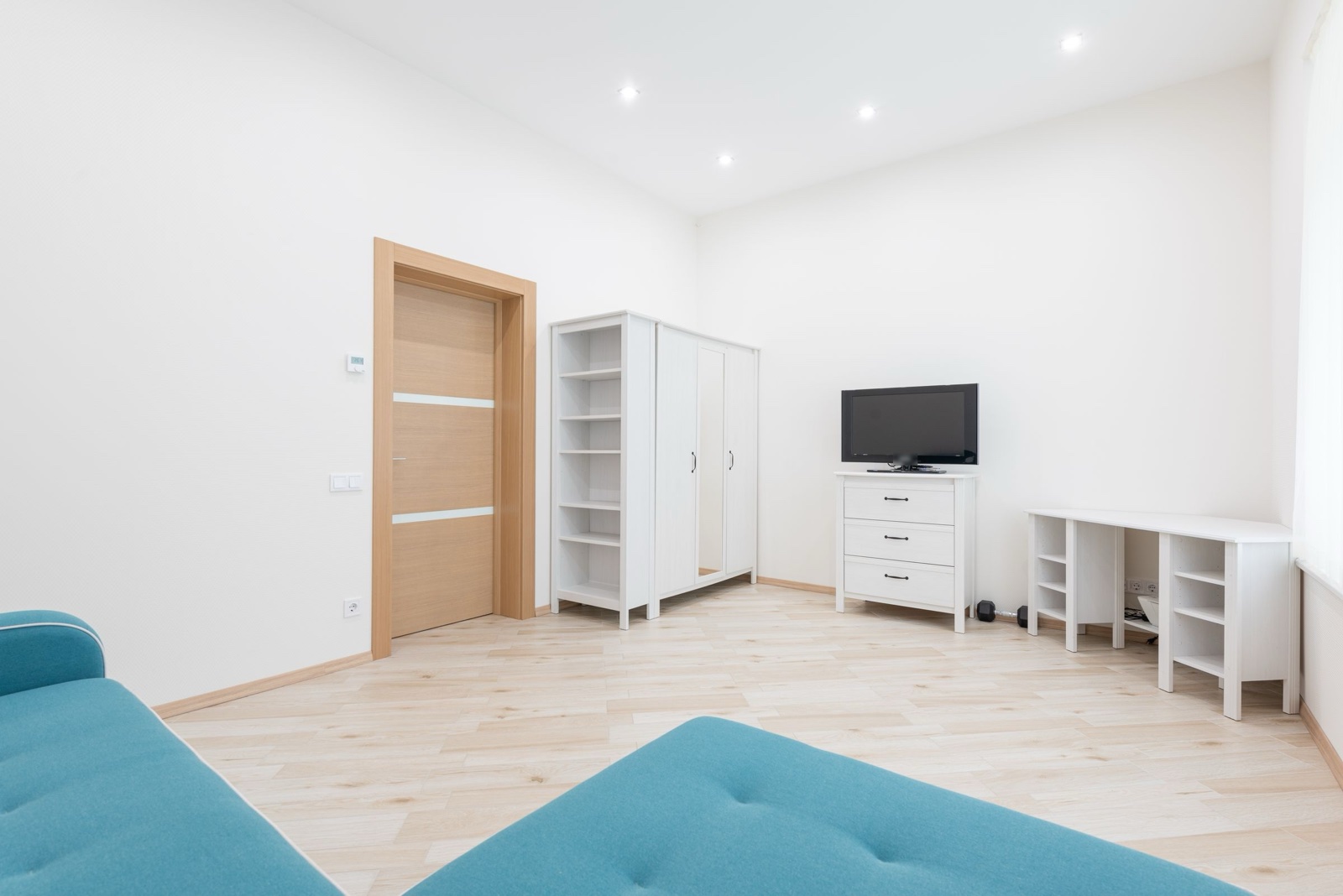
Several cabinets of different heights make a small room look busy. One long, low unit along one wall holds the TV and hides the rest in plain drawers, with almost nothing on top.
4. Darker Japandi with taupe, brown and clay
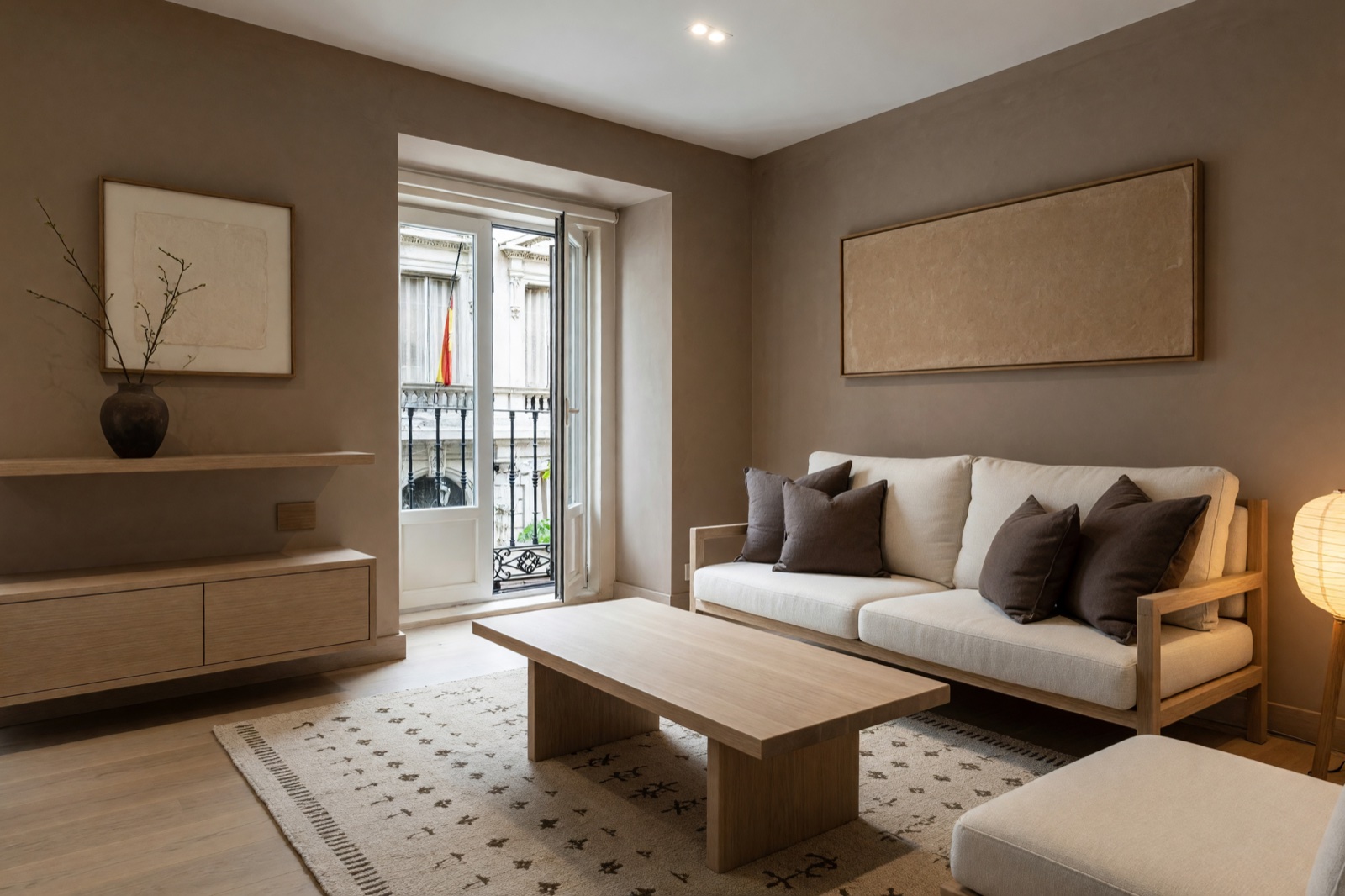
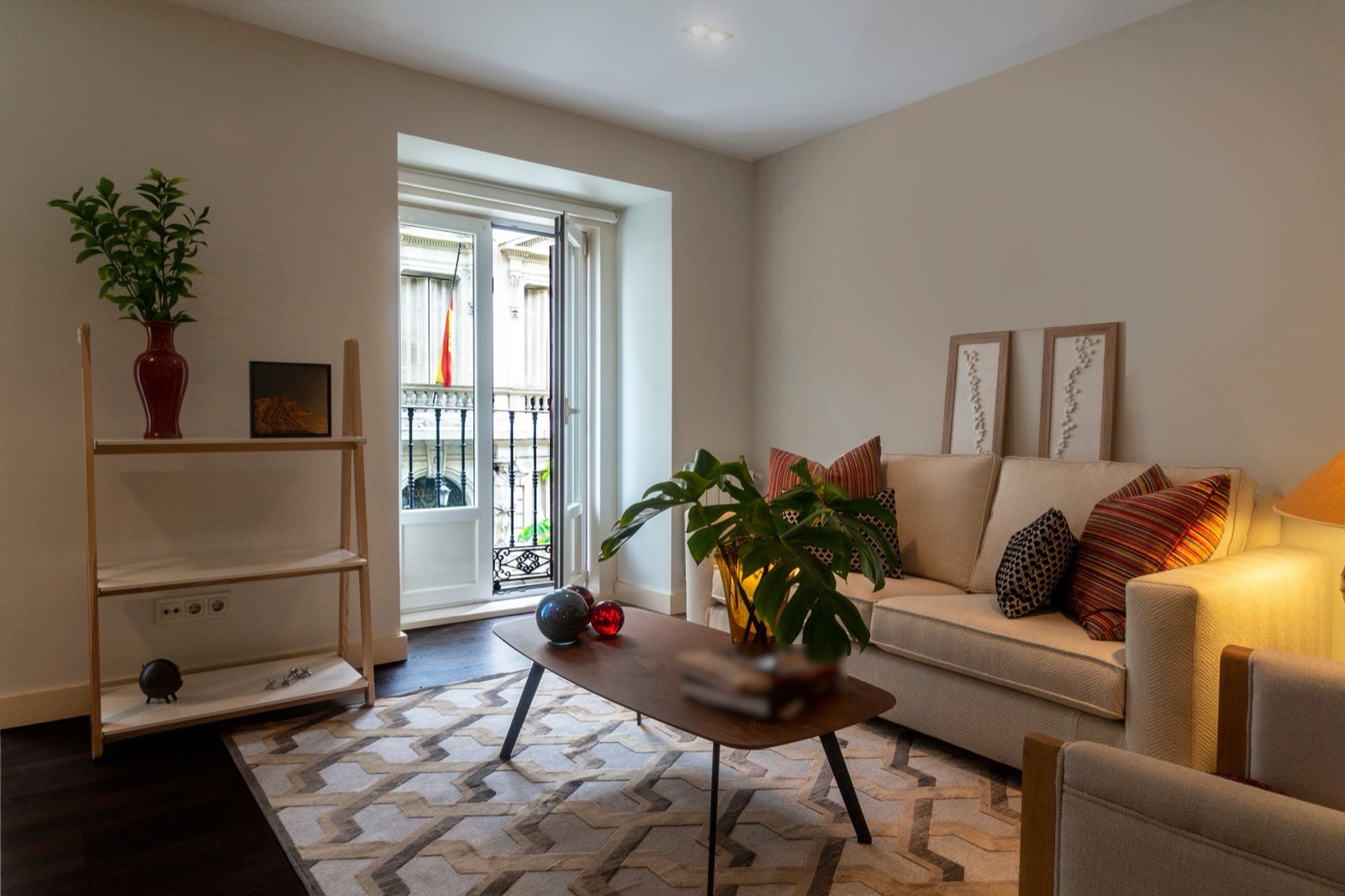
Japandi does not have to be pale. Taupe walls, dark brown cushions and a clay vase give a moodier version that still feels calm, as long as you keep few colors and space around each piece.
5. Keep your furniture and change only the accents
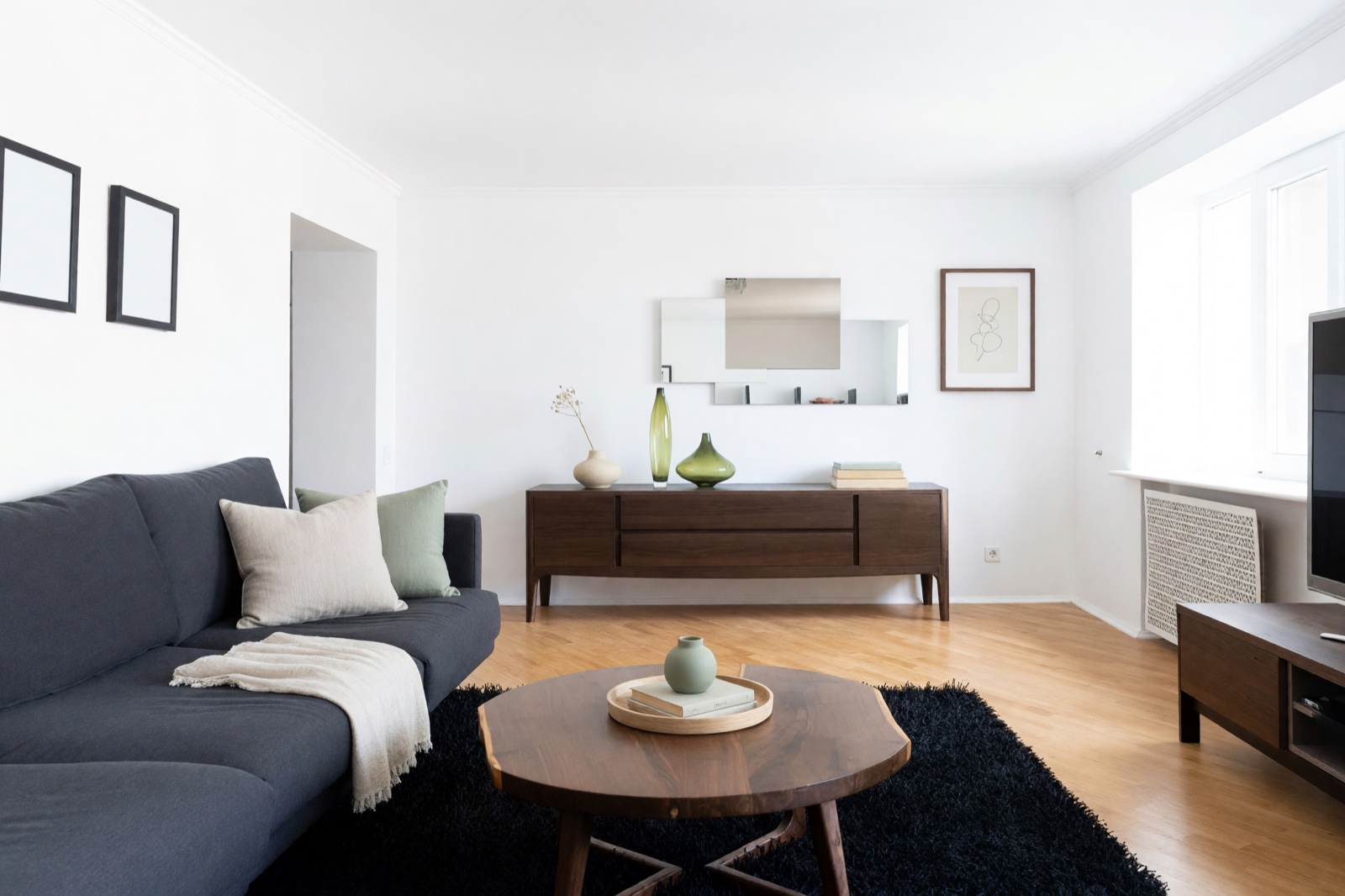
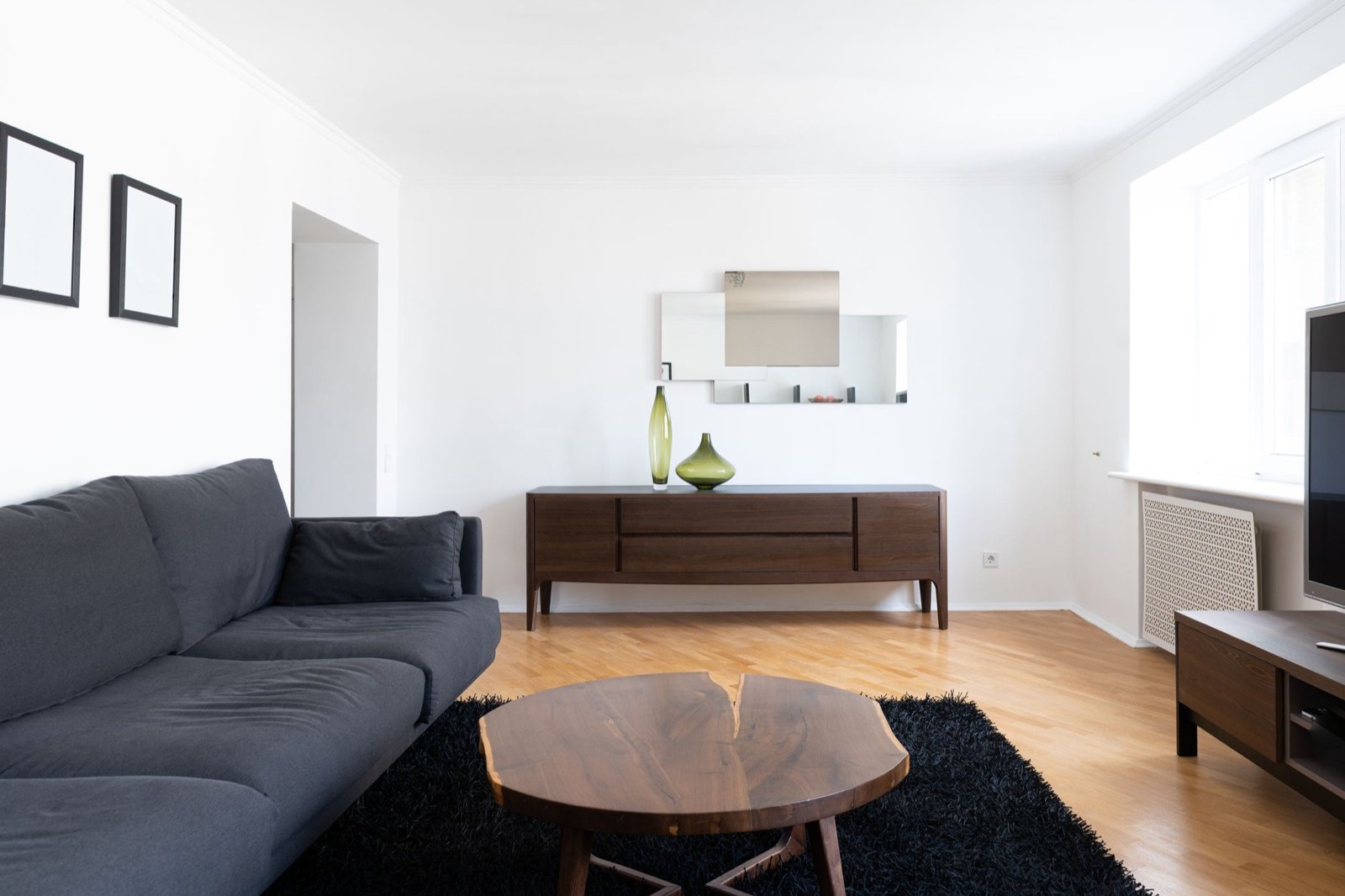
If new furniture is not in the plan, start small. The Light Touch mode keeps your room as it is and adds a few accents in your style, such as cushions, a throw, ceramics and a framed print.
Japandi living room color palette
Pick one base, one wood and one accent, and repeat them. In HomeCompose, a muted palette such as Ivory Stone or Earthy Harmony keeps the result in this range.
| Role | Colors | Where to use them |
|---|---|---|
| Base | Warm white, rice-paper white, light greige | Walls, ceiling, curtains |
| Wood | Light oak or ash; walnut for a darker room | Floor, coffee table, sideboard |
| Textile | Oatmeal, sand, stone gray | Sofa, rug, cushions |
| Accent | Charcoal, black, clay, moss green | Lamp bases, frames, one ceramic piece |
How to arrange a Japandi living room
- Leave space around each piece and keep walkways about 90 cm (3 ft) wide.
- Use one large rug that the front legs of the sofa and chairs stand on, not several small ones.
- Use three low light sources, such as a floor lamp, a table lamp and a paper pendant, with warm bulbs around 2700 K.
Common Japandi mistakes
- Cold and all white. White walls and gray furniture alone look bare, not Japandi. The style needs wood and texture.
- Too many wood tones. Stick to one or two woods, or the room starts to look pieced together.
- Themed props. Decorative fans and souvenir prints look staged; plain handmade ceramics work better.
- Empty instead of calm. With too little texture, the room looks unfinished. Add a wool rug, linen and a wooden bowl.
What does Japandi mean?
Japandi is a blend of "Japan" and "Scandinavian" (the name is often linked to Danish design in particular). It describes a modern interior style that takes the restraint and craft of Japanese homes and the comfort and light of Nordic ones, and keeps what the two have in common: simple shapes, natural materials and plenty of empty space.
The 7 rules of Japandi
There is no official list of Japandi rules, so treat these as seven practical habits that sum up what the examples above do:
- Keep it calm and uncluttered. Clear surfaces, closed storage and space around each piece.
- Use natural materials. Oak or ash, linen, cotton, paper, clay and stone.
- Stay with a muted, earthy palette. Warm white, greige and sand, with charcoal in small doses.
- Choose low, simple furniture. Clean lines and no heavy ornament.
- Buy fewer, better pieces. One well-made table beats three average ones.
- Let in plants and daylight. Keep windows clear and add one branch or one plant.
- Welcome imperfection. An uneven glaze, visible wood grain or a softly creased linen throw adds warmth.
Japandi furniture, coffee tables and decor
Japandi furniture is low, made of wood and simple in shape. Look for a sofa with a low back and slim legs, and a coffee table in oak or ash with rounded corners or a round top, which softens straight lines and leaves room to walk around. In a small room, a round top helps most; see small living room ideas. One or two good pieces in a room are enough; tall bookcases and carved legs work against the look.
Japandi decor
- A handmade ceramic bowl or vase in one earthy color
- One branch in water or a single plant
- Linen cushions and a throw in oatmeal or sand
- A paper or linen lamp shade with a warm bulb
- A wooden tray to group a few small things
Japandi in a bedroom
The same rules work in a bedroom: a low bed frame in light wood, linen bedding in sand or warm white, one bedside lamp with a warm bulb and clear floor space around the bed. For more on this, see minimalist bedroom ideas.
Try Japandi on your own living room
Upload a photo of your living room to Interior Design, choose Living room and the Japandi style, then a palette and how much should change. Structural Preservation keeps the room's shape and refreshes furniture and finishes; Bold Interior and Full Makeover go further.
The result is a design idea, not a plan. AI can change small details, such as a window frame or the size of a sofa, so measure before you buy. For a warmer, softer look, see cozy living room ideas, and for the same calm in a bedroom, minimalist bedroom ideas. For a lighter, brighter style, see Scandinavian interior design. For the kitchen next door, see modern kitchen ideas. More rooms and styles are on the HomeCompose design ideas page.
Frequently asked questions
What is the difference between Japandi and Scandinavian style?
Scandinavian rooms are usually lighter and brighter, with white walls and pale wood. Japandi keeps the comfort but adds Japanese restraint: lower furniture, darker accents, fewer objects and more handmade texture.
Can I make my living room Japandi without new furniture?
Partly. Clear surfaces, closed storage, linen, warm bulbs and a few ceramics go a long way. The Light Touch mode previews this on your own photo: it keeps your furniture and adds only small accents.
Is Japandi still in style in 2026?
It still looks current to many people, though no style stays in fashion forever. Japandi tends to last because it rests on calm, natural materials and few objects rather than on a trend color. To keep it timeless, put your money into lasting pieces such as a good wood table and linen, and treat accents as the part you can swap.
Are wabi-sabi and Japandi the same?
No, but they overlap. Wabi-sabi is a Japanese way of seeing beauty in things that are imperfect, simple and aged. Japandi is a modern interior style that blends Japanese and Scandinavian ideas and borrows some of that calm, such as handmade ceramics and visible wood grain.
Is it free to try?
Yes. Free to try.