Scandinavian interior design
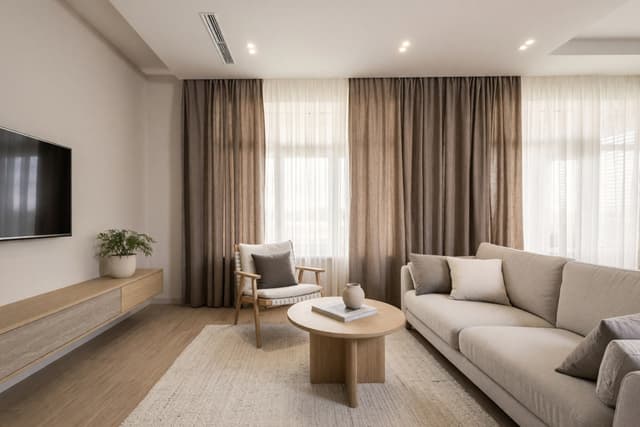
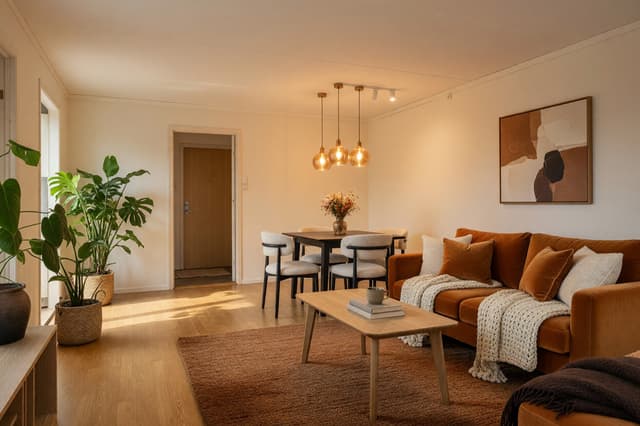
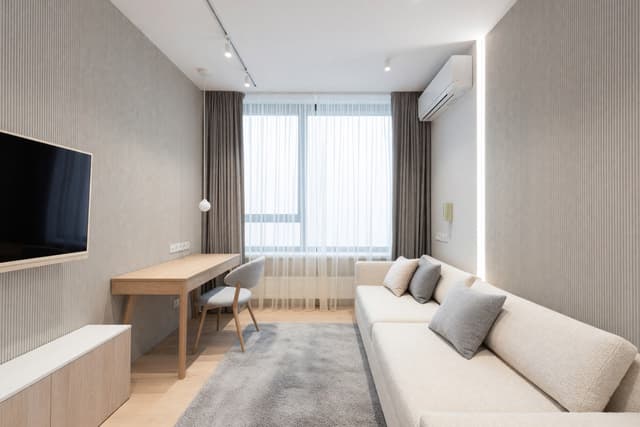
Scandinavian interior design is a calm, practical style built on light, pale natural wood, simple furniture and soft textiles, with walls in white or light gray and everything kept useful and uncluttered. Below are its seven principles, the wall colors that suit it and six room photos shown before and after, with tips for the living room, bedroom, kitchen and dining room.
What is Scandinavian interior design?
Scandinavian interior design is built on light, simplicity and natural materials. Think pale walls, light wood, furniture with plain shapes and slim legs, and soft textiles in cream, gray and oatmeal. The style is often linked to long, dark Nordic winters, which is why it works so hard to bring in daylight and warm lamp light.
What separates it from plain minimalism is the warmth. A Scandinavian room has few objects, but the ones it has are made of wood, wool, linen or ceramic, so the room feels calm without feeling empty.
The 7 principles of Scandinavian design
There is no official list, and designers count the principles differently. These seven are a practical summary of what most lists agree on.
- Let in as much light as you can. Keep windows clear, hang thin curtains, and add mirrors opposite a window. In the evening, use several low lamps with warm bulbs around 2700 K instead of one ceiling light.
- Keep the palette pale and natural. White, warm white, light gray and oatmeal as the base, with wood tones and a little black or a muted color on top.
- Choose natural materials. Pale wood, wool, linen, cotton, ceramics and glass. One or two wood tones, not five.
- Buy simple, functional furniture. Clean shapes, slim legs and pieces that each have a job. A sofa, a low table and a storage unit do more than ten small items.
- Add cozy textures. A chunky knit throw, a wool or bouclé rug and linen cushions keep a pale room from feeling cold.
- Keep clutter under control. Closed storage, clear surfaces and a place for everything. Let a few good objects show instead of many.
- Finish with a few considered accents. One plant, one large print, a ceramic vase or a black lamp. Two or three are enough.
Best colors for Scandinavian walls
A soft white or warm white is the safest start. Light gray and muted tones such as pale greige or a faded sage also fit, as long as they stay light and quiet. Strong, saturated colors are not typical.
Choose by the light in the room. In the northern hemisphere, a north-facing room gets cooler, bluer light, so a warm white keeps it from looking gray. A south-facing room gets warmer, stronger light and can take a cooler white or a light gray. In a room with little daylight, skip dark grays and stay with light, warm shades. Whatever you pick, look at a large sample on the wall for a few days. For more options, see living room paint colors, or try a wall color on your own photo in Paint.
6 Scandinavian rooms, before and after
Each example starts from a real, licensed photo and shows it before and after AI restyles it in Interior Design in the Scandinavian style with Structural Preservation, which keeps the room's shape and refreshes furniture, textiles, lighting and finishes. To keep brand marks and printed words out of the pictures, we blurred a few small ones in both the before and the after photos: on a TV and the device below it, on the labels of an air conditioner and on a remote control. In the first before photo we also blurred the words on two cushions and on a small sign on the bookcase. AI can also redraw small things, so compare each pair closely and treat the result as a design idea, not a shopping list.
1. Living room: pale wood replaces dark red-brown
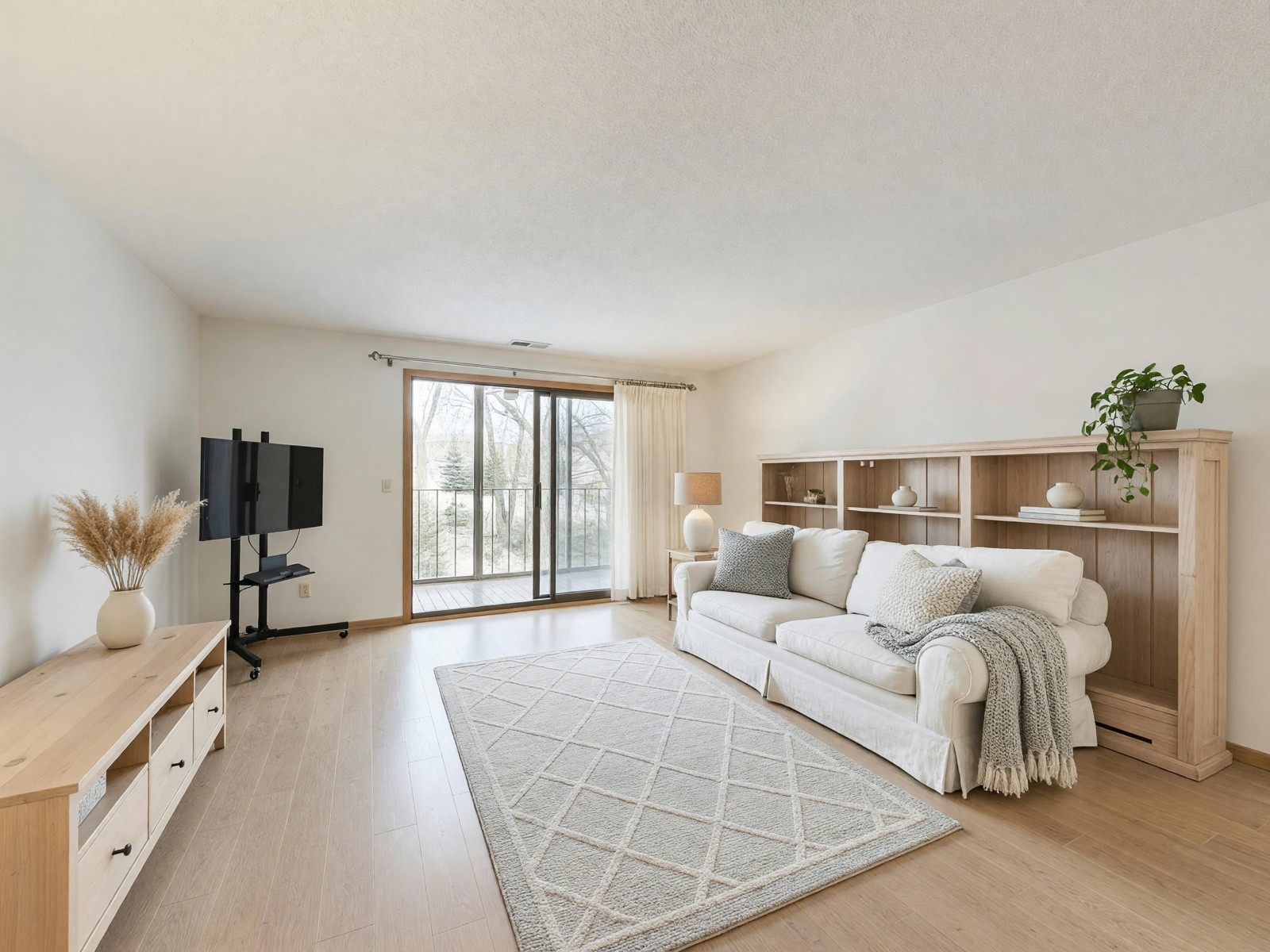
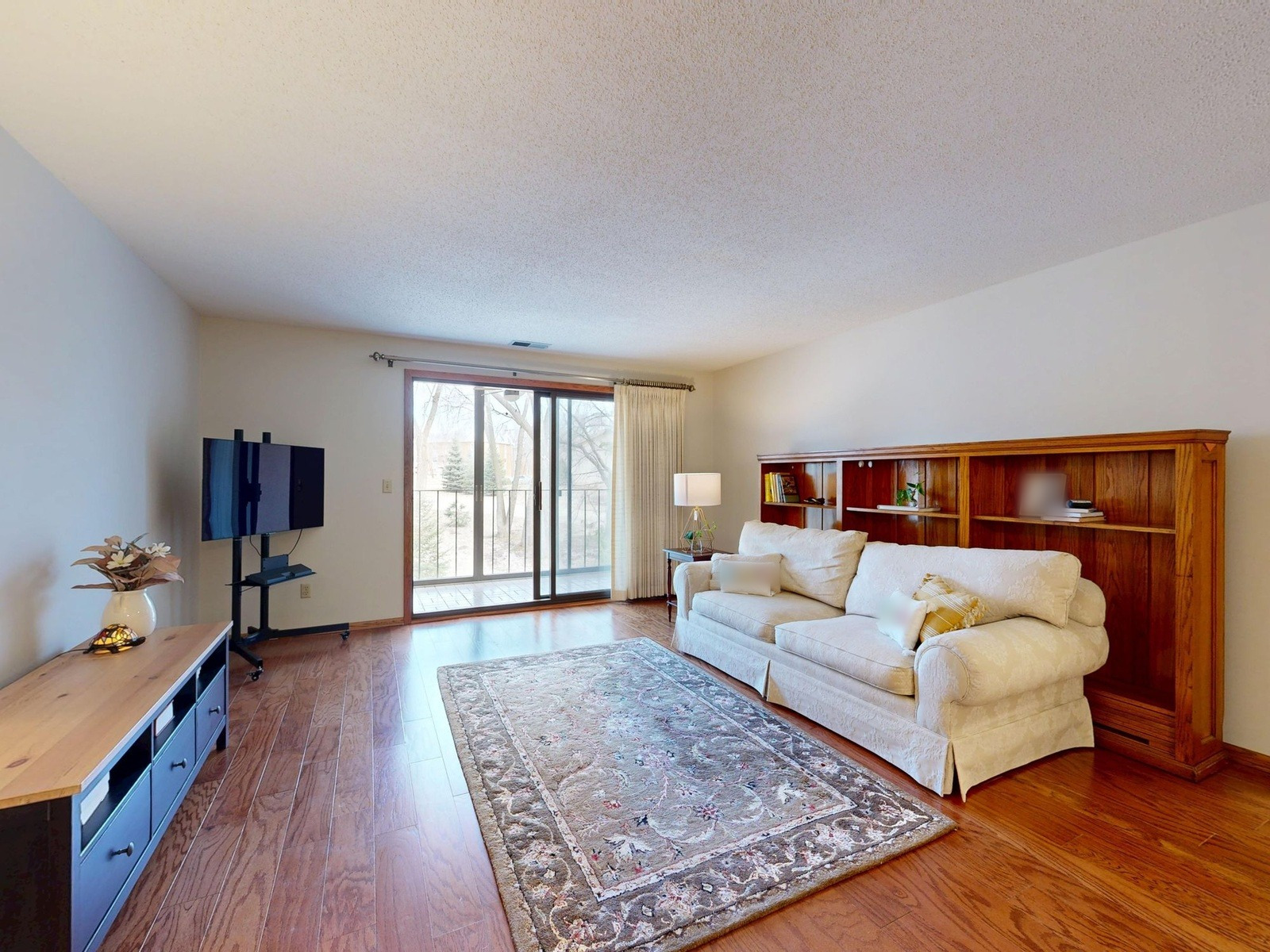
Pale wood does most of the work here. The floor, bookcase and TV unit now share one light tone, which makes the room read as Scandinavian even though the sofa and the layout did not change. Look at the trim: the orange-brown frames around the door and the baseboards are untouched, and in a real room you would decide whether to paint them white or a pale tone as well.
2. Living room: a gray palette on a warm wood floor
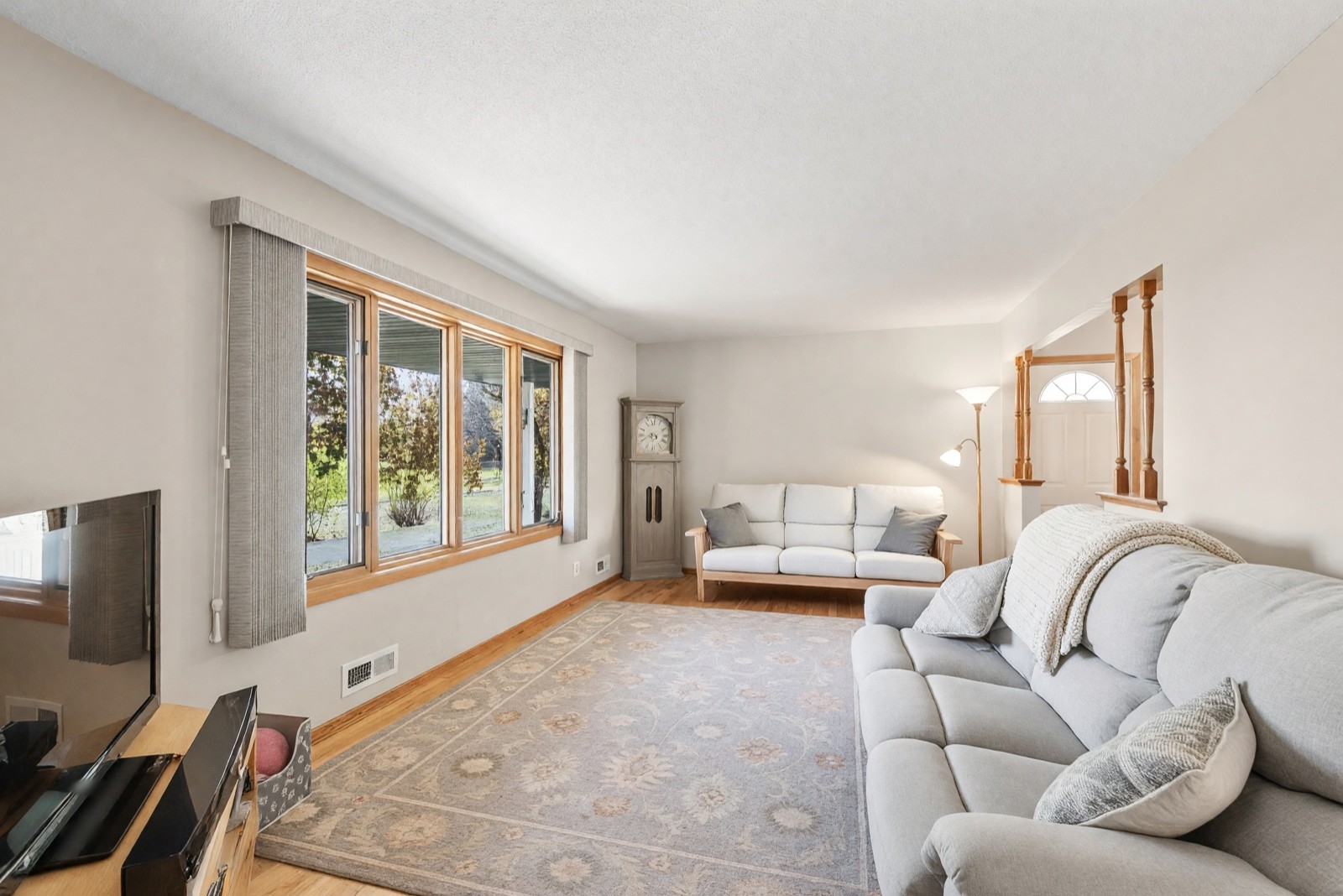
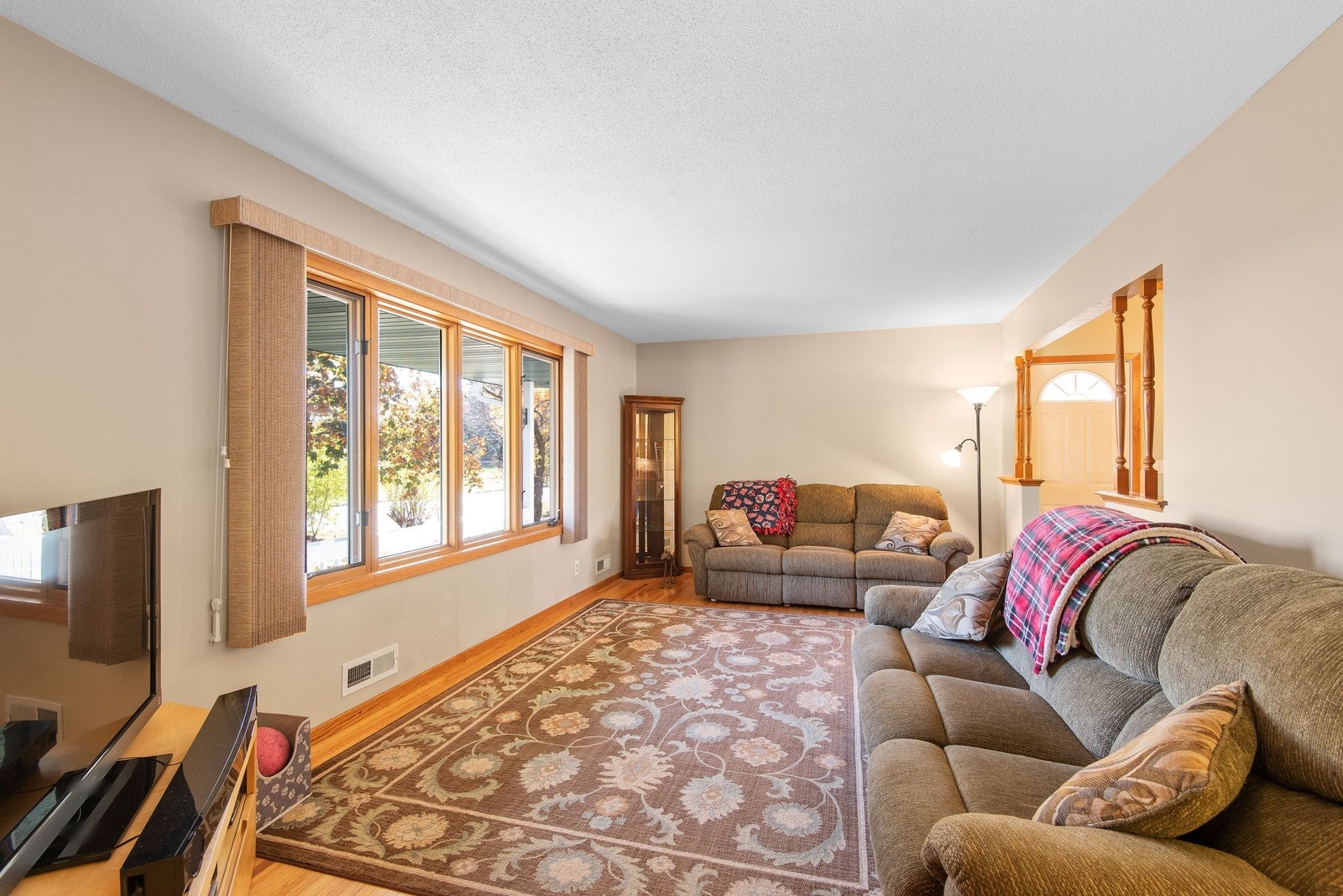
This pair shows both sides of the tool. The palette change is easy to read: gray, cream and a muted rug calm the room, and the warm wood floor still works, so a Scandinavian room does not need a pale floor. But the AI also swapped the far sofa and the display cabinet for different pieces. Use the picture to judge the palette, then choose real furniture yourself.
3. Open plan: one palette for living, dining and kitchen
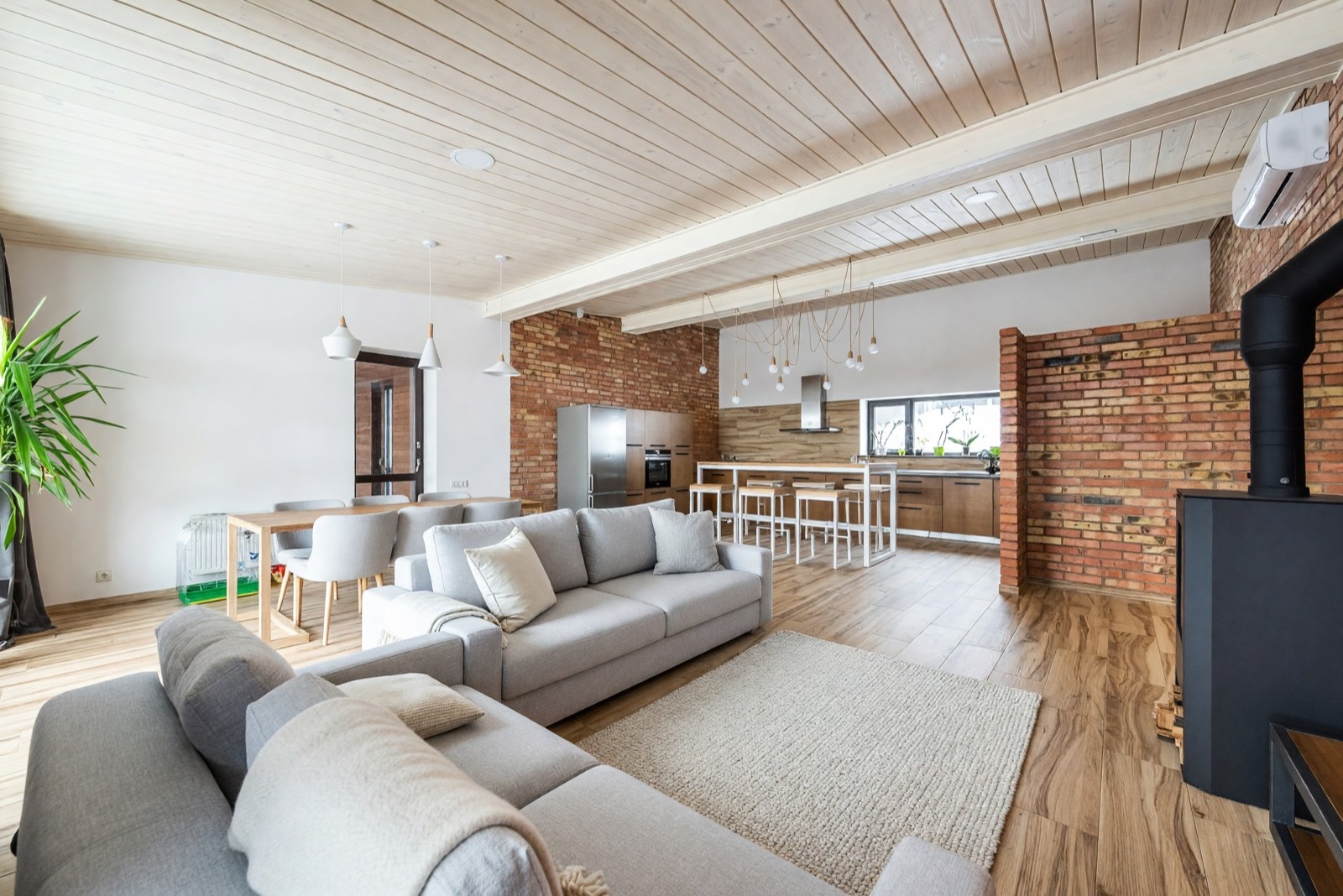
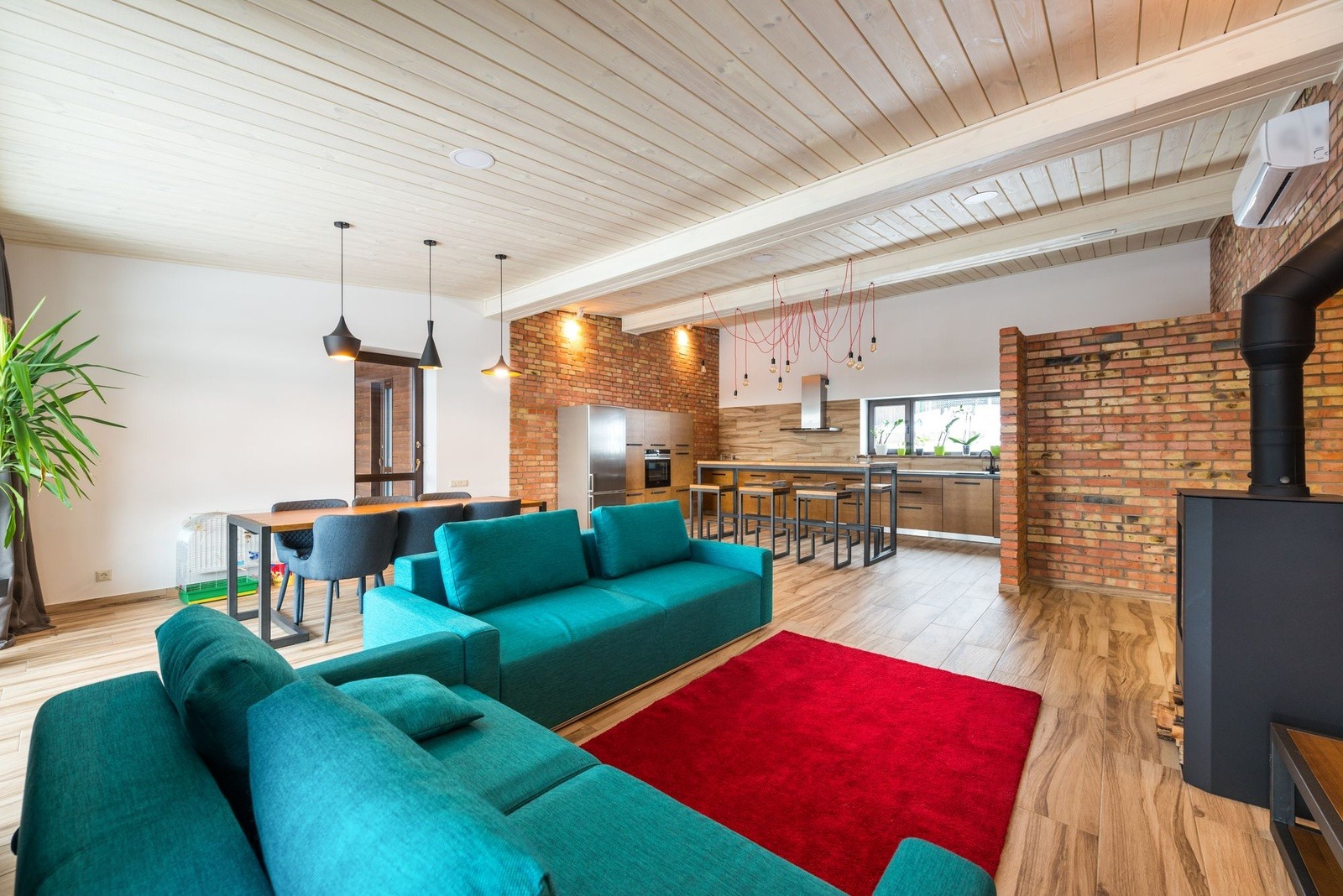
An open plan needs one palette across its zones, and here light gray, cream and pale wood tie them together while the brick and the wooden ceiling keep the room warm. It is also the one kitchen view on this page. The AI changed the bar counter and stools but left the kitchen cabinets and appliances as they were, so a real kitchen would still need its own decision about cabinet color.
4. Bedroom: oak panels and soft gray linen
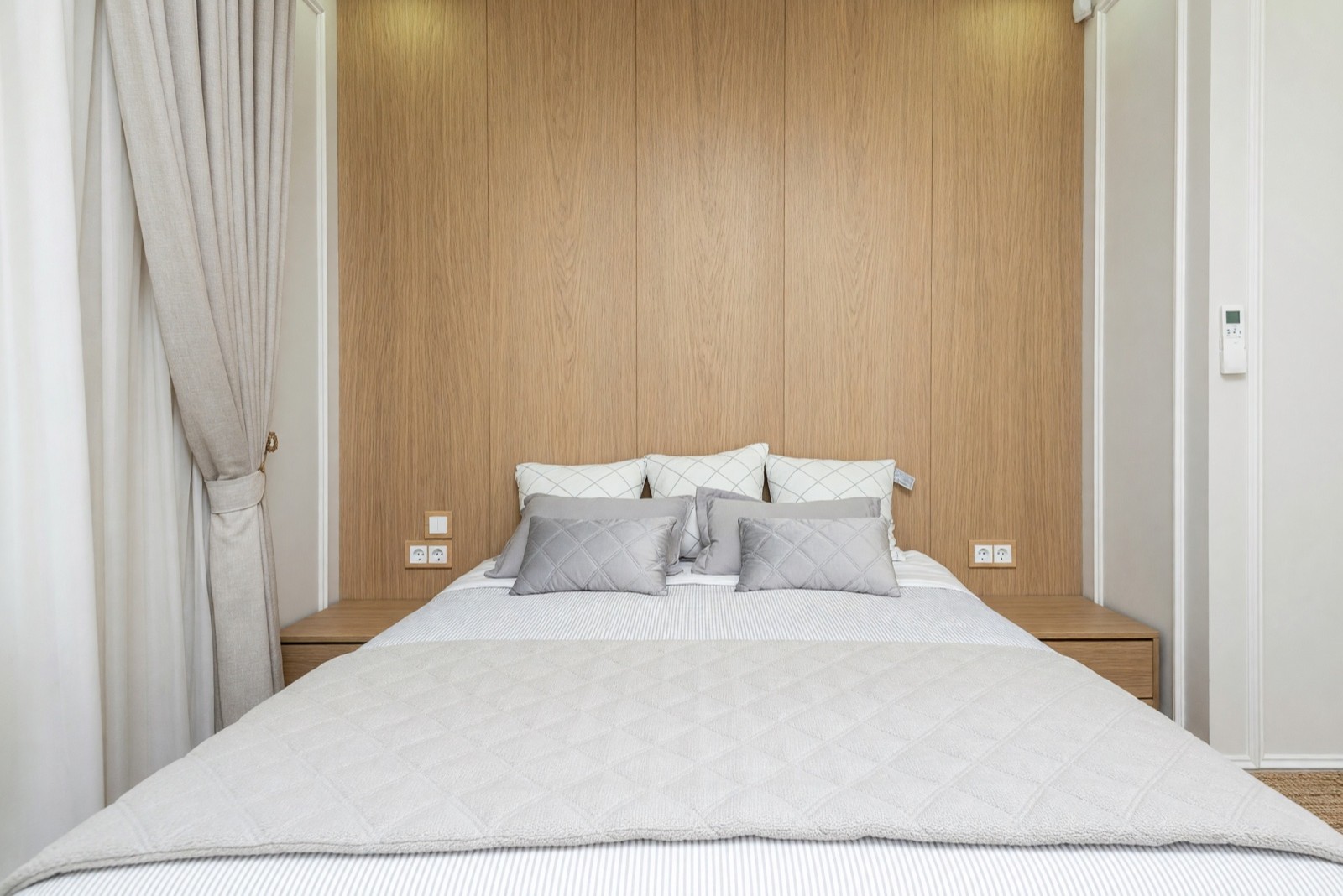
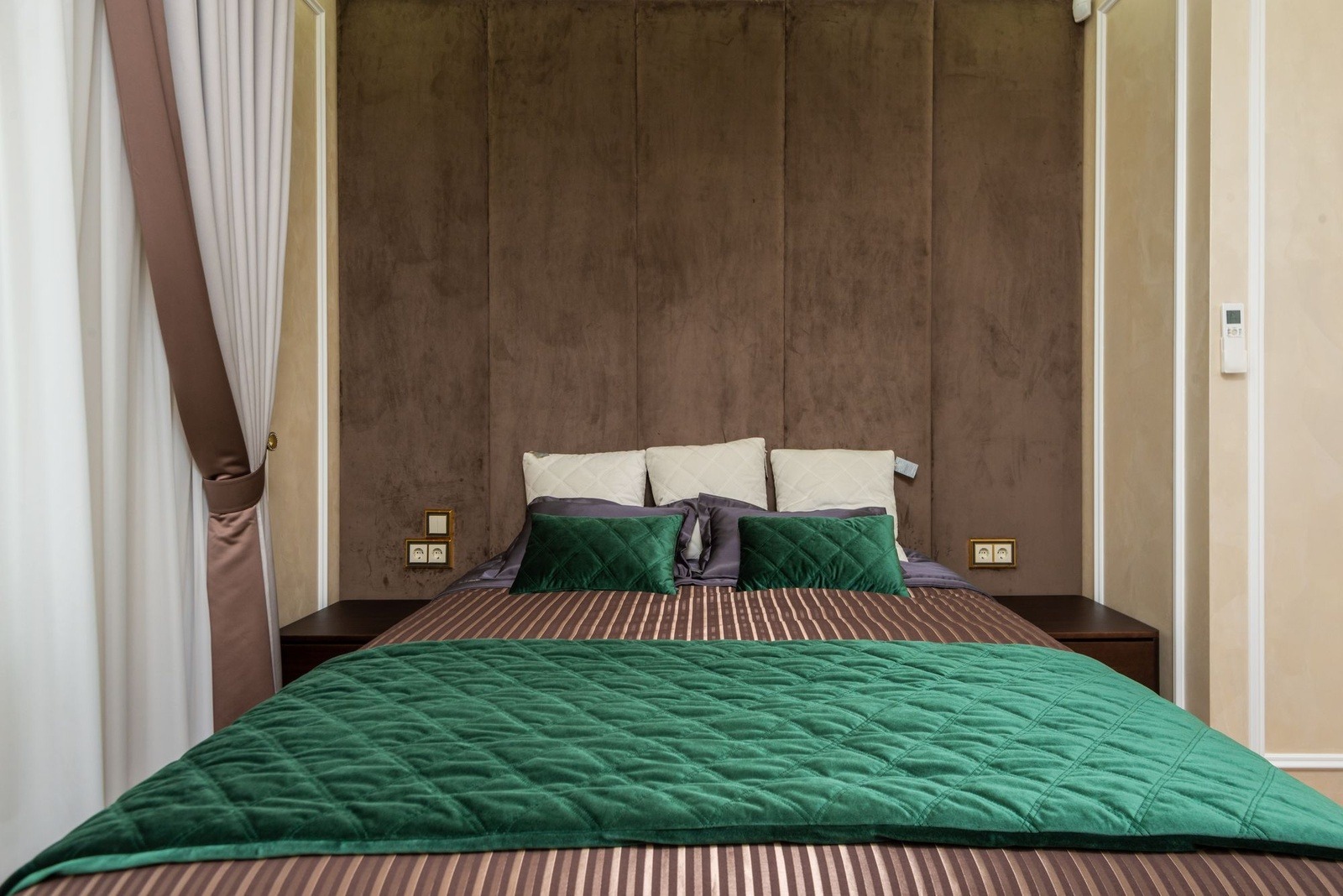
The bedroom shows the principle of one warm element. A pale gray bed against white walls could look cold, but the oak wall gives it warmth. Oak-veneer paneling is a building job, so in a real room the same mood is easier to get with a painted wall, a simple wooden headboard and linen bedding.
5. Dining room: from dark trim to pale oak
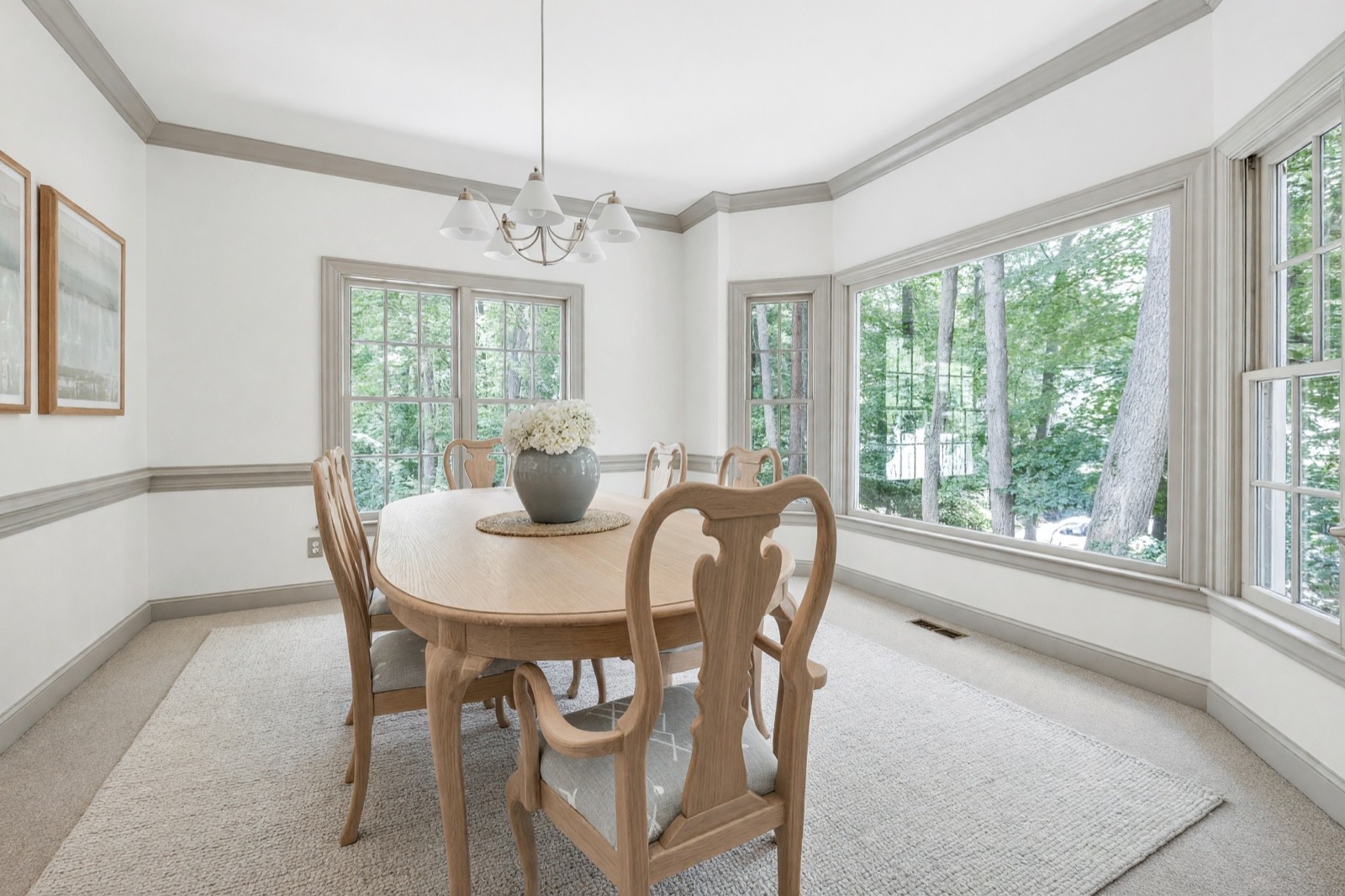
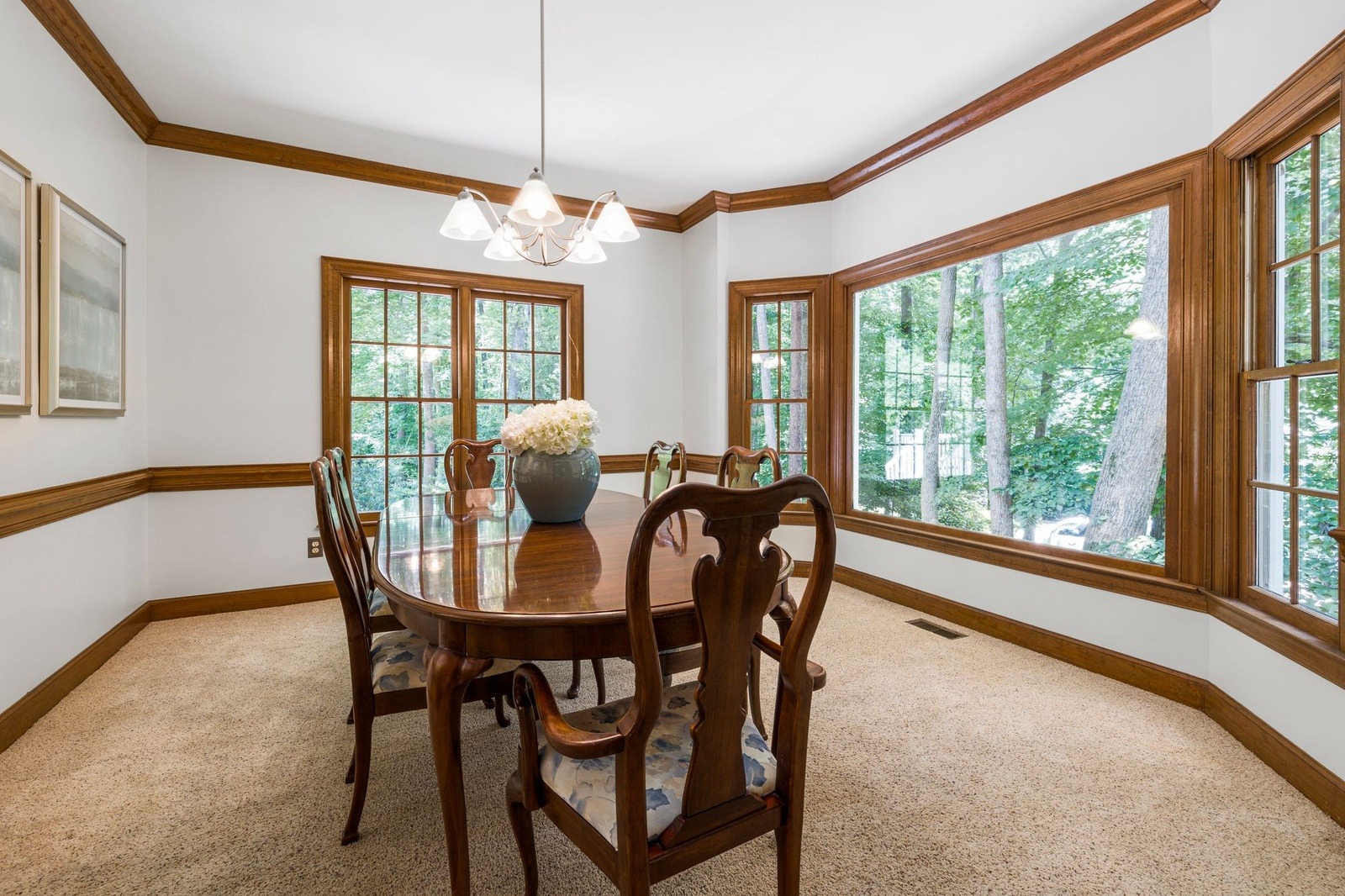
Here the trim does as much as the furniture. Dark wood outlines made the old room heavy; gray-beige lets the white walls and the window light lead. The table and chairs keep their traditional shapes, so the room reads Scandinavian by color and finish, not by form. A plainer table with straight legs would go further.
6. Living room with a fireplace: white brick and blond wood
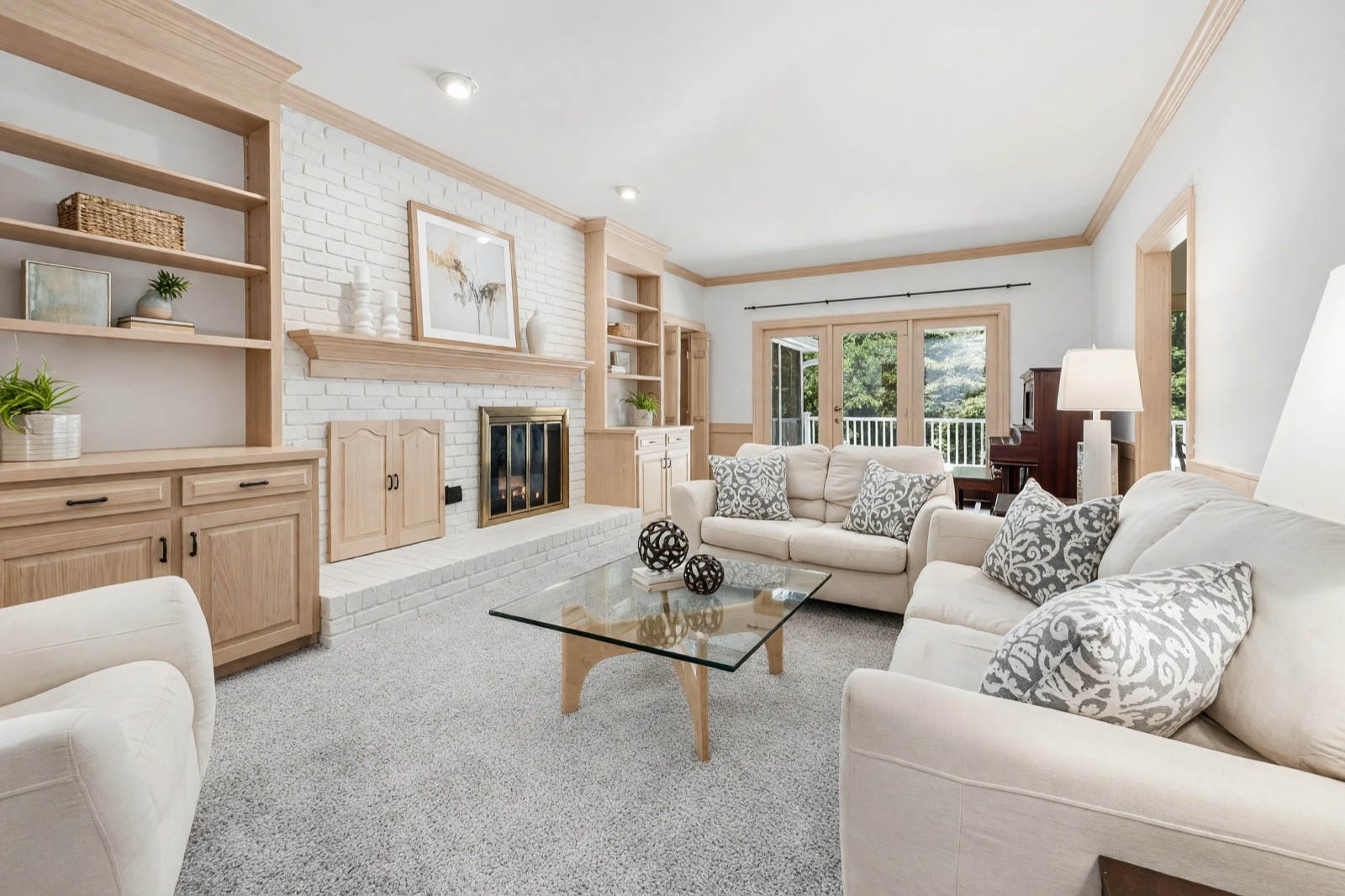
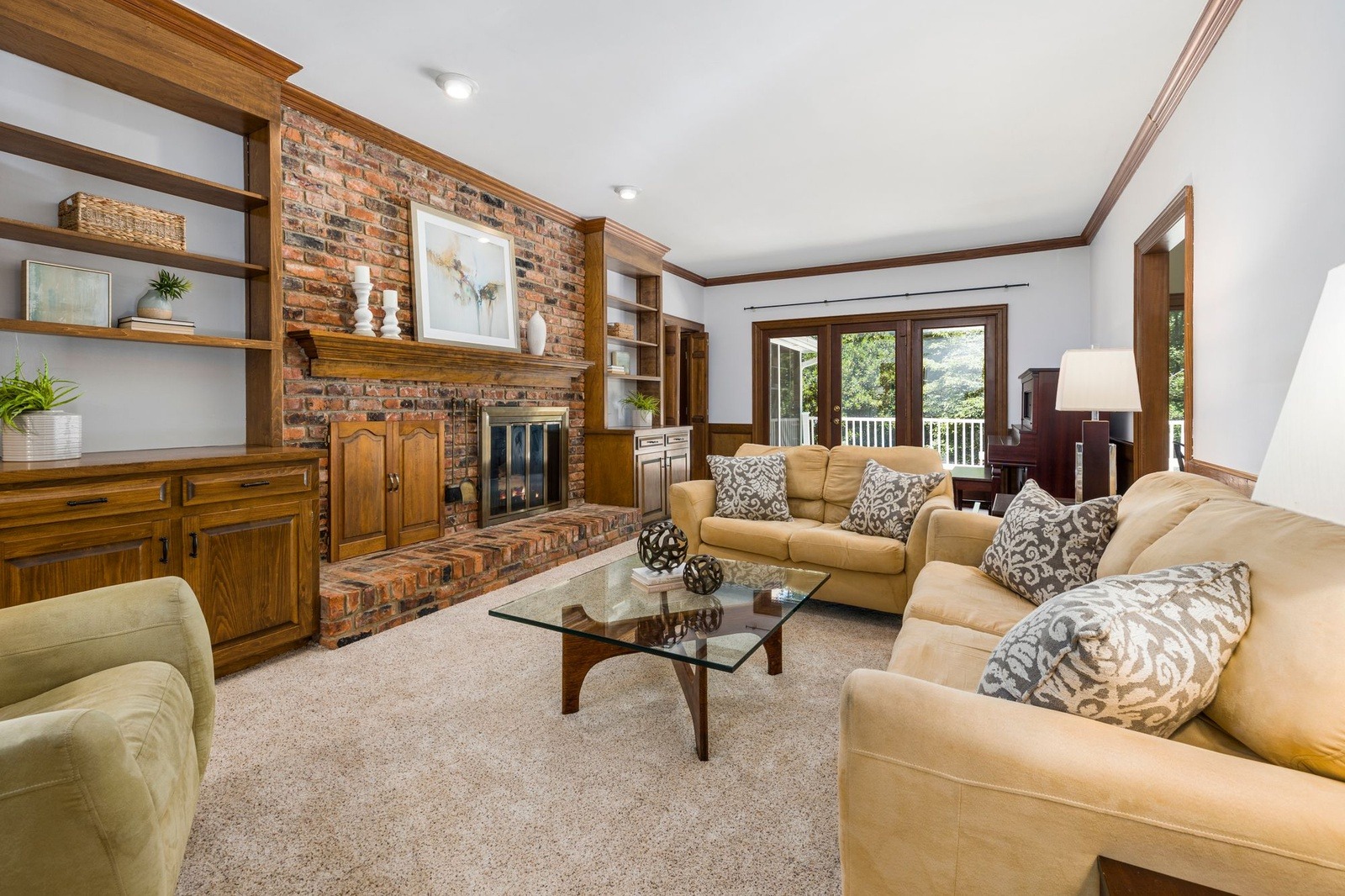
This is the biggest change on the page: two heavy materials, red brick and dark wood, become light and quiet, and the furniture stays where it is. Painting brick is hard to undo, and lightening varnished wood is a bigger job than a coat of paint, so try it on a photo first and compare it with simply painting the wood.
Scandinavian interior design room by room
Living room
Start with a light, simple sofa, a rug large enough for at least the front legs of all the seating to stand on, a low table and one storage unit. Add a throw and two cushions, a floor lamp and a table lamp, and keep the TV unit clear. Examples 1, 2, 3 and 6 show living rooms; for a smaller room, see small living room ideas, and for the warmer end of the style, cozy living room ideas.
Bedroom
Keep the palette to two or three light colors with one wood tone. Linen or cotton bedding, a wool throw at the foot of the bed and warm bedside lamps do the work. Closed storage keeps the surfaces clear, as in example 4.
Kitchen
White or light cabinets with wood worktops or open wooden shelves are the usual pairing, with simple handles and little on the counters. Example 3 shows the kitchen end of an open plan.
Dining room
A pale wood table, light chairs, one pendant on a dimmer and a rug large enough that the chairs stay on it when pulled out. Example 5 shows the effect of lightening trim and furniture; for more layouts, see dining room ideas.
Bathroom and home office
The same rules apply: light surfaces, wood or white fittings, closed storage and warm light. This page has no bathroom or office example, so treat these as general guidance, and check the room's own light before choosing colors.
Scandinavian design at a glance
| Element | Typical Scandinavian choice | Watch out for |
|---|---|---|
| Walls | Soft white, warm white or light gray | Bright white can look harsh in cool light |
| Floors | Pale or light wood, or a wood-look floor | Strong orange or red wood fights a pale palette; a warm mid wood can still work |
| Furniture | Simple shapes, slim legs, pale wood | Too many pieces, or a full matching set |
| Textiles | Wool, linen and cotton in cream, gray and oatmeal | Only flat gray, which turns cold |
| Lighting | Thin curtains, layered lamps, warm bulbs around 2700 K | One cold overhead light |
| Decor | A plant, a ceramic piece, one large print | Many small objects on every surface |
Scandinavian vs Japandi: what is the difference?
Japandi blends Japanese and Scandinavian ideas, so the two overlap. In general descriptions, Scandinavian is lighter and whiter, with pale wood and cozy textiles. Japandi is more restrained, often with somewhat earthier, darker wood and calmer tones. There is no strict line, and many rooms sit between the two. For the other style, see Japandi living room ideas.
Modern Scandinavian and current trends
Modern Scandinavian keeps the clean lines and the pale base but avoids the showroom look. Add warmth with wood, wool and bouclé, use warm light after dark, and bring in one darker accent such as a black lamp or frame so the room has depth.
Trends change from year to year, and there is no official list for 2026 or any other year. The general direction that designers describe is natural materials, warmer neutrals and calmer rooms with fewer objects. Treat that as a direction, not a rule.
Common Scandinavian design mistakes
- All white and gray, no wood. The room turns cold. Add pale wood, linen and one warm accent.
- Too many wood tones. One or two woods look planned; four look pieced together.
- Pale furniture in a dark room. Light colors help, but they cannot add daylight. Fix the lighting too.
- Heavy curtains. They block the light the style depends on. Use thin linen or sheers.
- Many small decor pieces. Group a few larger items instead of covering every shelf.
- Copying the photo without measuring. Check that real furniture fits the room and the walkways before you buy.
Try Scandinavian design on your own room photo
Upload a photo of your room to Interior Design, choose the room (Living room, Bedroom, Kitchen or Dining room), the Scandinavian style and Structural Preservation. Take the photo in daylight from a corner so the walls, floor and main furniture show.
Interior Design restyles furniture, textiles, color and decor. It cannot move walls or windows, and it cannot make a room brighter than its windows allow. It may also redraw nearby objects, as the clock and the far sofa in example 2 show, and the result is a design idea, not a plan. Measure real furniture, and check details with a professional before you build.
Frequently asked questions
What are the 7 principles of Scandinavian design?
There is no official list, but most lists agree on these: plenty of light, a pale natural palette, natural materials, simple functional furniture, cozy textures, clutter kept under control and a few considered accents. The numbered list above explains each one.
What is the best color for Scandinavian walls?
A soft white or warm white is the safest choice, with light gray or a muted pale tone as alternatives. Pick a warm white in a room with cool, bluish light, and test a large sample on the wall for a few days.
What is the difference between Scandinavian and Japandi?
In general descriptions, Scandinavian is lighter and whiter, with pale wood and cozy textiles, while Japandi adds Japanese restraint, often with somewhat darker, earthier wood and calmer tones. The line is not strict, and many rooms sit in between.
Can Scandinavian style work in a dark room?
Yes, but it cannot make the room brighter than its windows allow. Use light, warm wall colors, thin curtains, mirrors and several lamps with warm bulbs, and avoid cool or dark grays that turn dull in weak light.
Is it free to try?
Yes. You can start on the free plan, and it includes a limited number of designs.